Lisa Duncan, Art Conservator, LLC
Serving the preservation, conservation and restoration needs of the Northwest Region since 2009.
Seattle, WA
Schedule an appointment today:
Email: lisaduncan.artconservator@gmail.com
Phone: (505) 710-1464
Services:
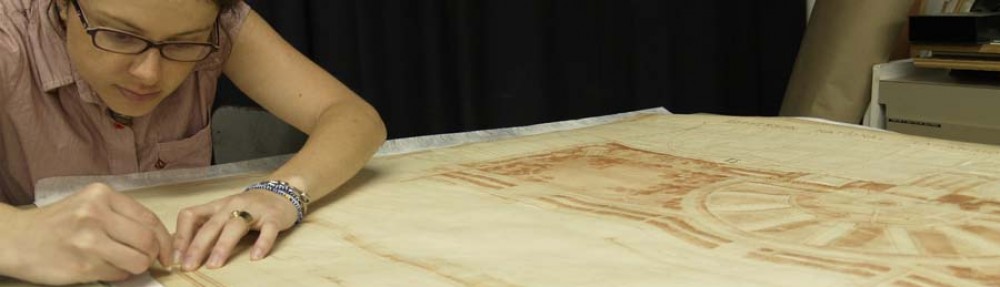
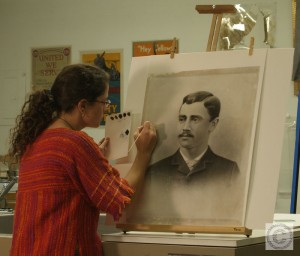
- Treatment of damaged artworks
- Survey of every type of artwork in private homes, museums, corporate collections, universities and/or other cultural institution
- Consultation on the preservation of material culture
- Facilitation of workshops related to the care and identification of photographic materials and works on paper as well as best practice for hinging and framing
About Lisa Duncan, LLC
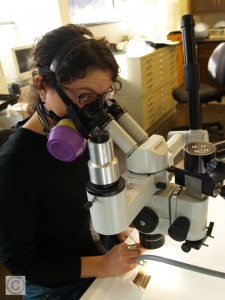
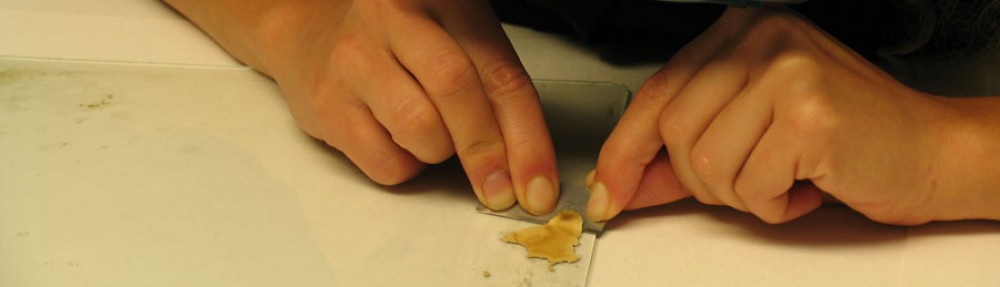
Lisa Duncan, Art Conservator, LLC in Seattle specializes in the consultation, treatment and assessment for photographic materials and works on paper. She is however a great resource on all material culture. Don’t hesitate to call. The initial consultation is free. If you decide to leave your item with Lisa Duncan, Art Conservator, LLC you will receive a proposal for treatment within six weeks and be charged a non-refundable fee. The proposal and cost estimate for treatment will be sent to you for permission to continue. Treatments can range from minor to major depending on the extent of damage.
Working with a Professional Associate of AIC is the only way to ensure that treatment decisions follow the American Institute for Conservation Code of Ethics and Guidelines For Practice. Lisa Duncan is the chief conservator and owner. She holds a MS in Art Conservation from the prestigious Winterthur/ University of Delaware Program in Art Conservation. She is a Professional Associate (PA) of the American Institute of Conservation (AIC) and a certified assessor for the Conservation Assessment Program (CAP).
Lisa is also a member of the Institute of Conservation (ICON), the National Trust for Historic Preservation, the Western Association for Art Conservation (WAAC), and the Washington Museums Association
Guides:
Download Packing Artwork for Transport Guide
Contact a professional if you are in the midst of a disaster! If you are located on the West Coast, the California Preservation Program disaster recovery assistance number can provide advice and help.
California Preservation Program 24/7 disaster assistance number: 888-905-7737
LECTURES / PRESENTATIONS
- Biennial lecturer in the Preservation of Collections course at the University of Washington, Seattle, WA since 2017
- Behind-the-Scenes: Art Conservation, Tacoma Art Museum, Tacoma, WA, April 2017
- Photographic Materials Group Biennial Winter Meeting, Kansas City, MO, February 2017. Paper was published in Topics for Preservation and is available for download or purchase through AIC.
- “Navigating the Conservation Workflow: The Conservator is Your Ally” Registrars Committee Western Region, Seattle, WA, April 2015
- Lisa Duncan and Jessica Keister. “In Pursuit of Reality: A Technical Study of 2 Obscure Photographic Processes of the 19th Century.” Association of North American Graduate Programs in the Conservation of Cultural Property (ANAGPIC) Annual Meeting. April 2008. New York, NY.
- Lisa Duncan and Laura Downey Staneff. “Preserving an American Treasure: The Ansel Adams Project at the Center for Creative Photography.” Western Association for Art Conservation (WAAC) Annual Meeting. September 2007. Denver, CO.
- Toshiaki Koseki, Wynn Phelan, Lisa Duncan and Rose Daly. “Development of a Conservation Database for the Photographic Collection at the MFA, Houston.” American Institute for the Conservation of Historic and Artistic Works (AIC) Annual Meeting. June 2006. Providence, RI
PUBLISHED PAPERS
NOTEWORTHY
- ANAGPIC 2008 conference paper
Lisa Duncan & Jessica Keister, University of Delaware/Winterthur
In Pursuit of Reality: A Technical Study of 2 Obscure Photographic Processes of the 19th Century (PDF) - Interview was published in the Real Simple Magazine: Sept 2014 (PDF)
- Published on the storage of photographic materials in FOCUS magazine: Fall 2011 (PDF)
UNPUBLISHED
Since 2007 I have been researching an early portfolio by the photographer Ansel Adams. This attached paper is a culmination of research that was submitted in a final portfolio to receive my degree from the Winterthur/ University of Delaware Program in Art Conservation. Analytical research was performed on collections housed at the Center for Creative Photography, the Baltimore Museum of Art, the Museum of Fine Arts, Boston and the Fogg Art Museum. A full list of acknowledgements is stated within the paper attached below.
Technical Study on Photographs by Ansel Adams (pdf)
To complete requirements for the second year of study at the Winterthur/ University of Delaware Program in Art Conservation I completed a technical study on ruby ambrotypes. The study included an in-depth art historical search for information on the photographic process and culminated in the analytical study of them using the scientific instruments at the Scientific Research and Analytical Laboratory at Winterthur Museum. This project would not have been a success without the help and guidance of scientists Dr. Joe Weber, Chris Petersen, Catherine Matsen and Dr. Jennifer Mass. An annotated version of this study was presented with Jessica Keister at ANAGPIC 2008.
Technical Study on Ruby Ambrotypes
Lisa Duncan, Art Conservator, LLC
Serving the preservation, conservation and restoration needs of the Northwest Region since 2009.
Seattle, WA
Schedule an appointment today:
Email: lisaduncan.artconservator@gmail.com
Phone: (505) 710-1464
Images and text © Lisa Duncan, LLC. All rights reserved.